DFW Real Estate Forecast: What 2026 Might Bring for Buyers and Sellers
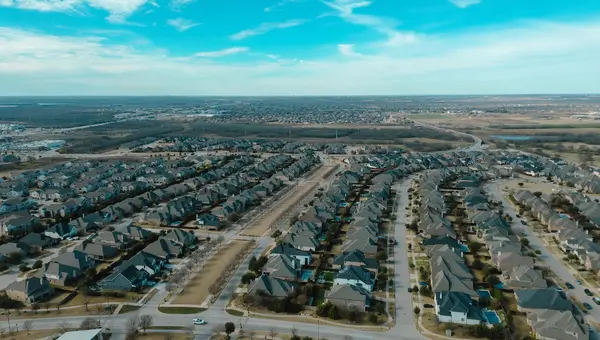
The Dallas–Fort Worth real estate market has gone through several shifts over the past few years. After record-low inventory, rapid price growth, and intense competition, we’re now entering a new phase—one that looks more balanced, data-driven, and opportunity-focused.
As we move into 2026, many buyers and sellers are asking the same question: What’s next for DFW real estate? Here’s what current trends suggest and what they may mean for you.
Balanced Market vs. Buyer’s Market: A Shift Is Taking Shape
For much of the past decade, DFW has strongly favored sellers. Limited inventory and high demand often meant multiple offers, waived contingencies, and rapid price escalations. That environment is beginning to normalize.
In 2026, projections point toward inventory growth across select parts of the metroplex, particularly in suburban and new-construction-heavy areas. As more homes come to market, buyers are gaining options—and with options comes leverage.
This does not mean DFW is becoming a weak market. Job growth, population migration, and long-term demand remain strong. However, the pace has slowed enough that buyers may now see:
-
Fewer bidding wars
-
More negotiation room on price or terms
-
Seller concessions returning in certain neighborhoods
In short, DFW is trending toward a more balanced market, with pockets that may lean buyer-friendly depending on location, price point, and property type.
Price Expectations in 2026: Stability Over Surges
Rather than dramatic price swings, the outlook for 2026 suggests price stabilization across much of DFW.
In areas where inventory is increasing—especially where new construction is abundant—prices may remain flat or see modest downward adjustments. This is most likely in segments where supply has outpaced demand or where homes are competing directly with brand-new builds offering incentives.
That said, not all areas will perform the same. Well-located homes, properties in strong school districts, and move-in-ready listings that are priced correctly are still expected to hold value well.
What we’re seeing is less about falling prices and more about realistic pricing. Sellers who align with current market conditions will still sell successfully, while overpriced homes may sit longer and require adjustments.
What This Means for Buyers and Sellers
For buyers:
2026 may offer improved timing and flexibility. More inventory and stable pricing create opportunities to negotiate, take your time, and make informed decisions—especially compared to the fast-paced markets of prior years.
For sellers:
Strategy matters more than ever. Pricing accurately, preparing the home properly, and understanding local demand will be key. Homes that are well-positioned will still attract strong interest, even in a more balanced environment.
The Bottom Line
The Dallas–Fort Worth market is not slowing down—it’s maturing. A balanced market benefits everyone by creating fairer transactions, smarter negotiations, and long-term stability.
As we head into 2026, the most successful buyers and sellers will be those who understand their specific submarket and work with professionals who track trends beyond the headlines.
If you’re considering buying, selling, or investing in DFW this year or next, having a clear plan based on local data—not assumptions—will make all the difference.
Categories
Recent Posts